


Oil prices fall on hopes of US-Iran talks and easing supply concerns
 Rabbia Zafar
|
1 week ago
Rabbia Zafar
|
1 week ago
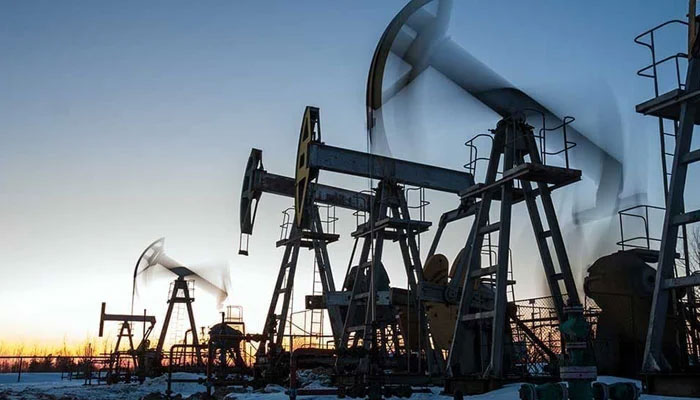
Global oil prices declined for a second consecutive session on Wednesday amid expectations that diplomatic talks between the United States and Iran may resume, raising hopes of easing supply disruptions from the Middle East.
Brent crude futures fell by 52 cents to $94.27 per barrel, while West Texas Intermediate (WTI) dropped $1.04 to $90.24 per barrel after sharp losses in the previous session. The decline follows growing market optimism that renewed negotiations could eventually restore oil flows disrupted by regional tensions.
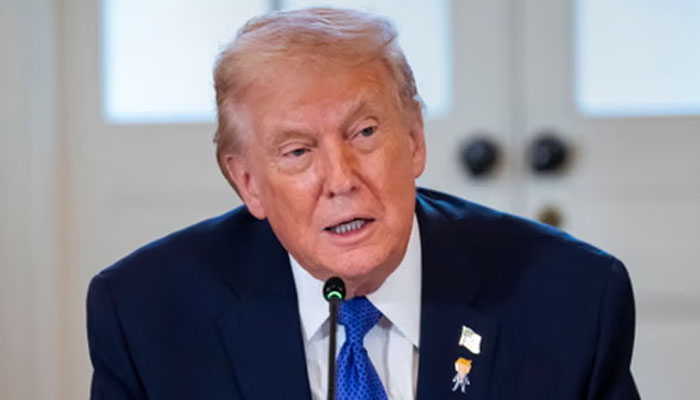
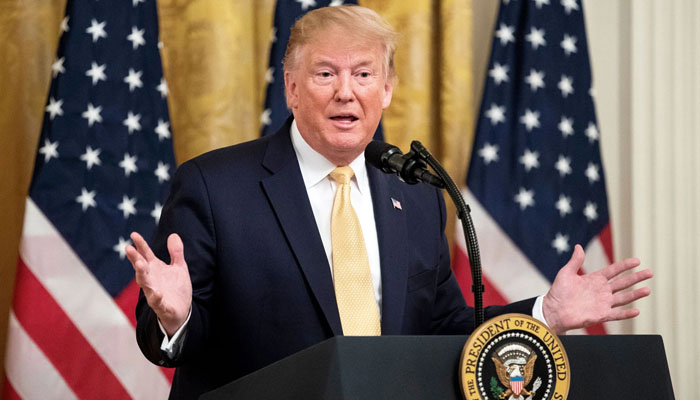
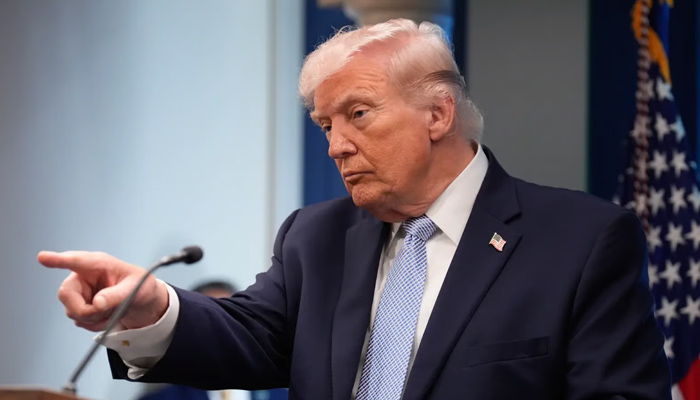
According to remarks by US President Donald Trump, discussions between US and Iranian officials could resume in Pakistan in the coming days. He suggested that progress in diplomacy could help de-escalate tensions and reopen key shipping routes.
The conflict has significantly affected global energy markets, particularly after disruptions in the Strait of Hormuz, a vital waterway for oil shipments from the Gulf. Reduced traffic through the route has limited global supply and heightened volatility in energy prices.
Despite talk of a possible ceasefire, shipping through the region remains heavily constrained, with tanker movements far below normal levels. Market analysts note that uncertainty continues to drive price fluctuations as traders weigh the risk of prolonged disruption.
Adding further pressure on supply expectations, US officials indicated that Washington will not renew certain sanctions waivers related to Iranian and Russian oil exports. This move could tighten global crude availability in the short term.
Investors are also awaiting official inventory data from the US Energy Information Administration, which is expected to provide further signals on demand and stock levels.
Analysts say the market remains highly sensitive to geopolitical developments, with prices reacting to both diplomatic signals and physical supply constraints in key producing regions.





13 minutes ago

18 minutes ago
25 minutes ago
30 minutes ago
4 hours ago
4 hours ago
- Asian markets showed a mixed performance on Friday while oil prices continued to rise, as uncertainty surrounding a fragile Middle…
- United States forces have seized an Iranian vessel during an operation in the Indian Ocean, escalating already heightened tensions…
- US report reveals details on Iranian leader health condition, as the New York Times published claims about Iran’s new Supreme…
- Trump sees Israel Lebanon peace possible this year, as US President Donald Trump expressed optimism about improved relations. He said…
 Federal health authorities have ordered strict nationwide enforcement of a ban on conventional disposable syringes and initiated a policy review…
 Pakistan’s second national anti-polio campaign of 2026 is continuing across the country, with efforts now in its sixth day as…
 A shocking report by BBC has triggered nationwide outrage in Pakistan after alleging severe medical malpractice at a Tehsil Headquarter…
 Pakistan’s second National Anti-Polio Campaign of 2026 is continuing across the country with full momentum, as health workers aim to…




- Residents of Karachi will face a significant water shortage over…13 minutes ago
- Asian markets showed a mixed performance on Friday while oil…18 minutes ago
- At least two suspected robbers were killed in separate police…25 minutes ago
- United States forces have seized an Iranian vessel during…30 minutes ago